AI Detection · Published July 18, 2026
Two days ago Turnitin gave administrators a download button for the AI Writing Report. It is a small release note. It is also the clearest picture yet of who this system is built for — because the one person who still cannot see that report is the student it is about.
The release note is dated July 16. Administrators on Feedback Studio with the Originality add-on can now search the Manage Submissions area for a single submission or every submission in an assignment, and pull down the PDF of any AI Writing Report attached to it.
Want to bypass Turnitin in 2026? Grab the free prompt pack.
Get the exact text-humanization prompts I use to drop an AI score by hand — copy, paste, submit. Free, straight to your inbox.
Send me the free prompts →Nothing about that is sinister on its face. It is a sensible admin feature, the kind that ships every fortnight. What makes it worth two minutes of your time is the asymmetry it quietly widens.
Turnitin’s own FAQ: the AI writing report is “not visible to students. However, instructors can download and share the PDF report with students if they wish.”
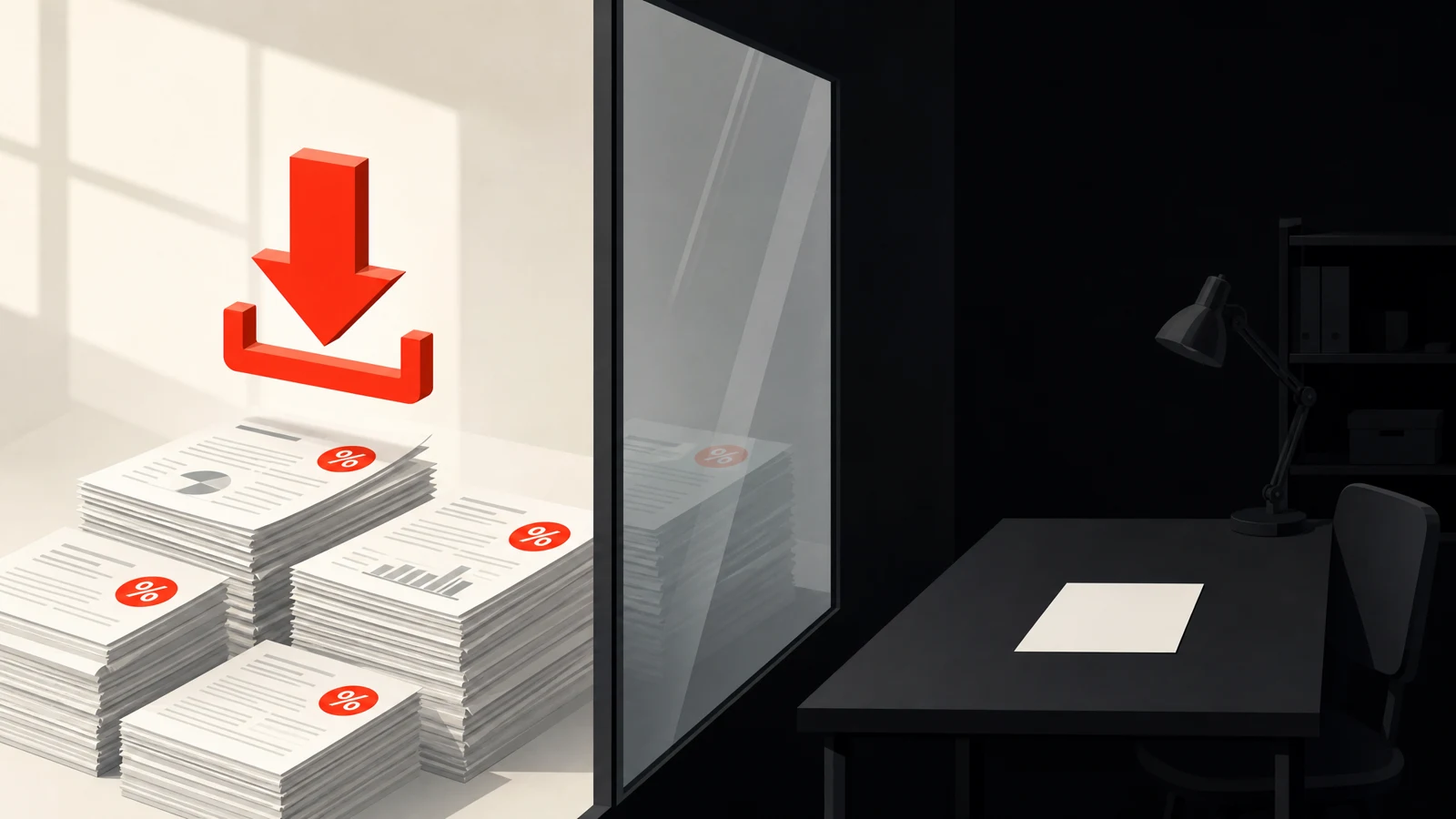
Read that last clause again. If they wish. The PDF is not just a file format here — it is the entire disclosure mechanism. It is how a student accused on the strength of a number gets to see the thing that produced the number. And every export button Turnitin has shipped so far has been installed on the institution’s side of the glass.
So as of Thursday, an administrator can bulk-export the AI reports for a whole assignment in a few clicks. A student still cannot open their own. The gap between what the institution can see about you and what you can see about yourself just got wider, and it got wider through a feature nobody will argue about.
Here is the strongest objection, and it is a good one: the PDF is exactly what due process needs. A report that can be exported is a report that can be handed over, entered into a record, and checked by someone else. Making it easier to produce should help the accused, not hurt them. If you wanted transparency, a download button is what transparency looks like.
I think that is right — and it is precisely why the discretion is the problem. A disclosure mechanism that only fires when the accusing party chooses to fire it is not transparency, it is courtesy. The technology is neutral. The button’s placement is not.
That matters more now than it would have a year ago. In February a New York judge found Adelphi University’s Turnitin-based accusation against freshman Orion Newby “without valid basis and devoid of reason” and ordered his record expunged. His family spent more than $100,000 getting there. Turnitin itself says the score should not be “the sole basis for adverse actions against a student” — and the cases keep coming.
Which is why the cynical read is the boring one. A one-click record is a liability for institutions too: a report you can produce instantly is a report you can be ordered to produce. Turnitin may have just built the discovery tool the next Newby’s lawyer asks about by name.
For students, nothing practical changes this week. You still cannot see your own AI percentage, and asking still depends on someone saying yes. What changed is that “there is no shareable report” is now provably untrue — so ask for the PDF. Keep your own drafting evidence anyway. That is what actually clears you, because the score was never proof to begin with.
Turnitin spent two years being told its AI report is a judgement students are not allowed to inspect. Its answer, this week, was to make that judgement easier to file. The button is fine. It is just pointing the wrong way.

Runs detectiondrama.com, tracking AI detection and humanization since 2024. He has tested 40+ detectors and humanizers against Turnitin, GPTZero, Originality.ai and Pangram.
