What to do when an AI detector flags you
Author: Detection Drama Staff

-
HumanizeAI.pro Review (2026): The First Google Result, Checked Against Its Own Promises
HumanizeAI.pro promises to bypass ALL detectors. Benchmark data, its 3 day refund window and buyer complaints tell a different story. Here is what to check before you pay.
-
Wento AI Review (2026): The Humanizer Reddit Keeps Pushing, Checked Against Its Own Claims
Wento hides its prices and your rewritten text behind sign-up, refunds nothing on monthly plans, and most of its Reddit buzz comes from one account. Here is what you can verify before paying.
-
Can Google’s SynthID Detector Catch ChatGPT Essays? No, and Here’s What Actually Can (2026)
Google’s SynthID Detector only checks images, video and audio. ChatGPT text uses OpenAI’s own textGrain watermark, and only approved researchers can check it.
-
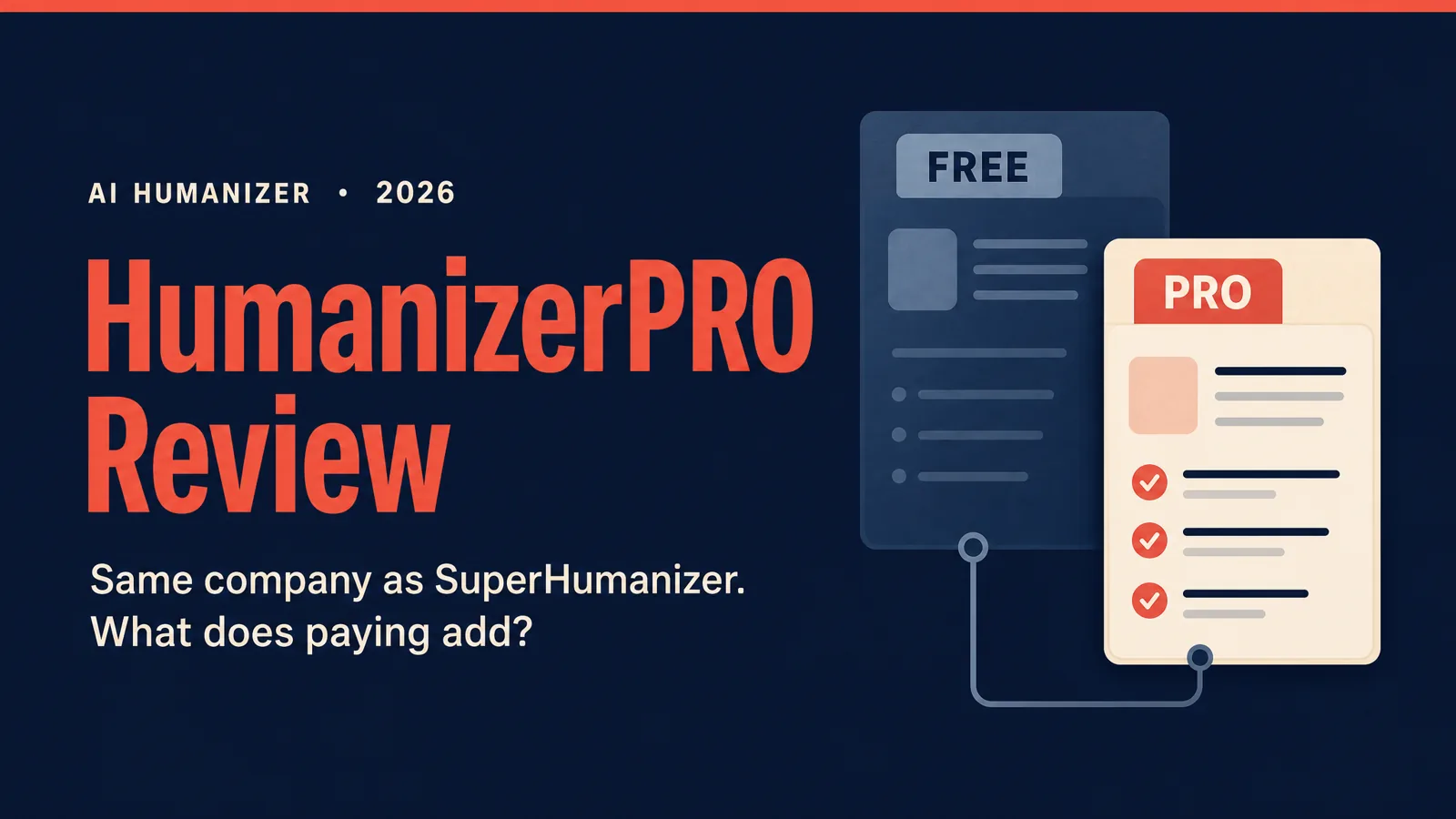
HumanizerPRO Review 2026: Same Company as SuperHumanizer, So What Are You Paying For?
HumanizerPRO is run by the same company as the free SuperHumanizer. We read its pricing, refund rules and vendor detector tests to see what paying actually adds.
-
Substack’s AI Detector: How the Pangram Check Works, How Accurate It Is, and How to Turn It Off
Substack’s AI detector runs Pangram on posts, Notes and comments over 100 words. Here is how the score works, what the accuracy research shows, how to disable it per post, and what to do if it flags your writing.
-

Wikipedia AI Enforcement: Every Published Number on Detection and Deletion (2026)
Wikipedia has tagged 7,652 pages as suspected AI text in 19 months. Here is every published figure on what it catches, and why its rules refuse to treat AI detectors as evidence.
-

AI Text Watermarking: Every Published Number on Detection, False Positives and Paraphrase Survival (2026)
Every published figure on AI text watermarking, dated and traced to its source paper.
-

AI in Professional Licensure Exams: Every Published Sanction Number (2026)
What professional bodies have actually penalised for AI use in licensure and certification exams, what their rules say, and the counts none of them publish.
-
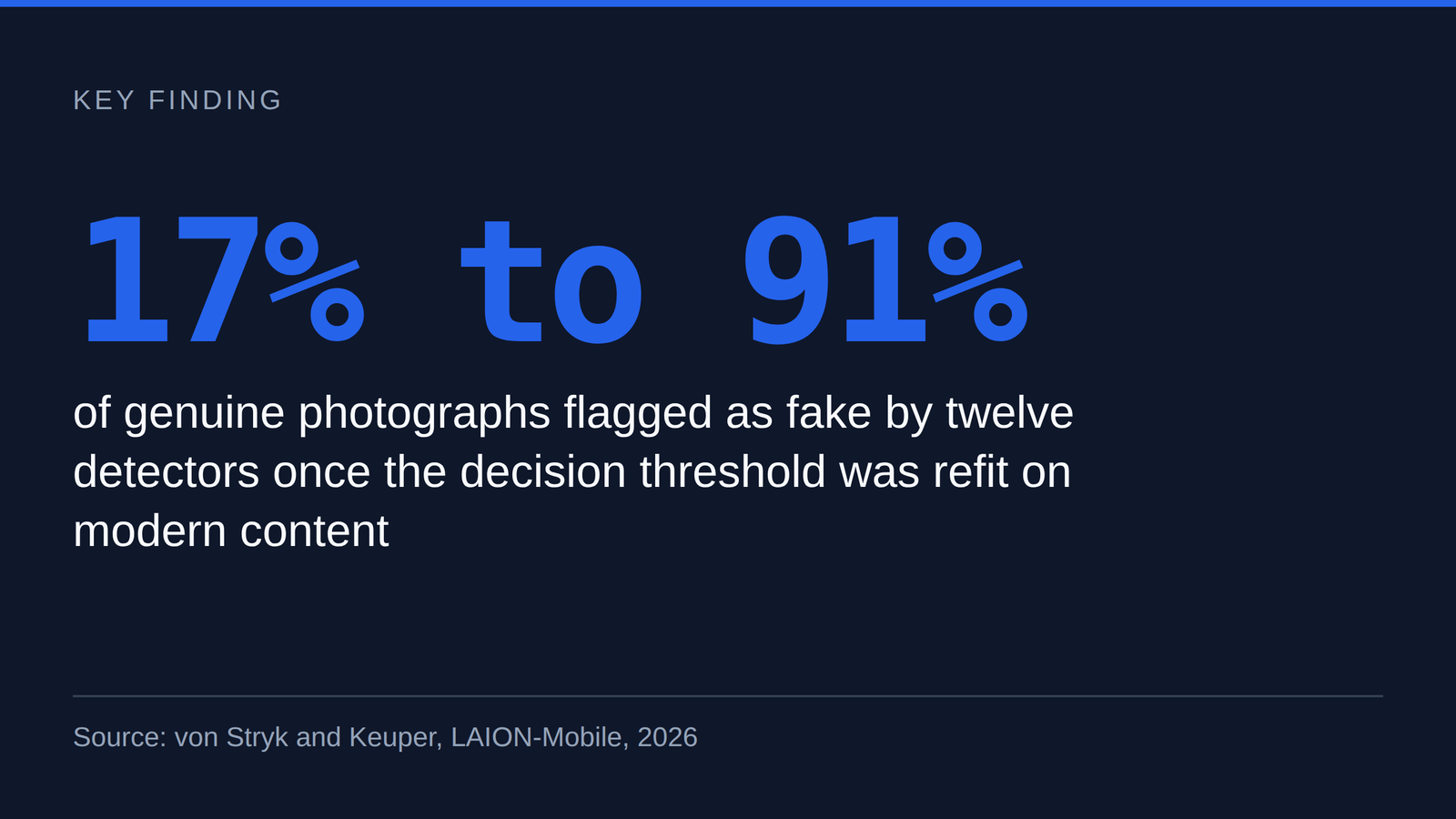
AI Image Detector False Positives on Human Art: Every Published Number (2026)
Every published false positive rate for AI image detectors, labelled with the corpus it was measured on and the sample size, and what that means for artists being flagged.
-
PaperBleach Review 2026: The Humanizer That Publishes the Test It Loses
PaperBleach refuses to promise an AI detector bypass and published a benchmark where it places third. We checked whether the source data it says is published actually exists.