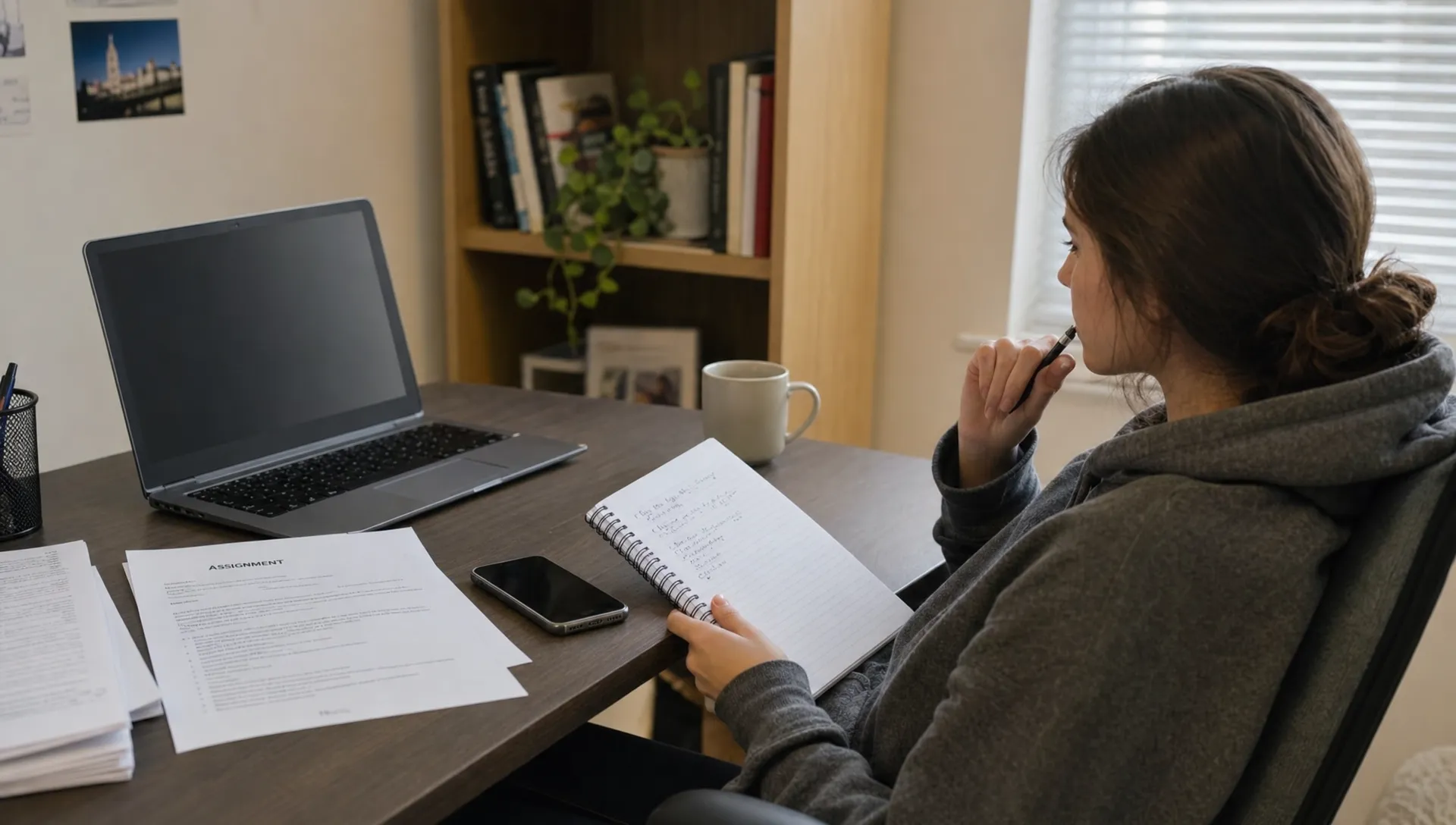
If you searched for turnitin for personal use, the honest answer is: not in the normal consumer-software sense. Turnitin is built and licensed mainly for schools, colleges, universities, publishers and organizations, not for individual students who want to create a private account and upload unlimited papers on demand.
That does not mean you have no options. You may be able to use Turnitin-like reports through your school, a course assignment, a writing center, an LMS integration or a licensed draft-checking tool. The key is knowing which routes are legitimate, which ones can create submission problems and which “personal Turnitin checker” offers should make you cautious.
The only tool that bypassed Pangram and Turnitin in 2026.
Most humanizers clear one detector and get caught by the other. StealthWriter is the one that gets past both — run Ghost 5.2 Pro at level 7–8, section by section, and re-check before you submit.
Try StealthWriter →Is turnitin for personal use available to individuals?
For most people, the answer is no: Turnitin does not operate like Grammarly, Copyleaks or other tools where anyone can simply sign up with a personal email and start checking documents. Its best-known products, including Turnitin Feedback Studio, are sold to institutions that then decide how students, instructors and staff can use them.
That matters because a Turnitin report is not just a generic plagiarism scan. It may compare text against internet pages, academic publications, student paper repositories and institutional databases, depending on the setup. Access is controlled because submissions can become part of a school’s workflow and, in some cases, part of a repository used for future comparisons.
In practice, Turnitin for personal use is usually possible only when an institution gives you access for a personal academic purpose, such as checking a draft before a final submission. If you are not connected to a school, university, publisher or organization with a license, you should assume there is no official personal student account available directly from Turnitin.
What “using Turnitin” actually means
People often use “Turnitin” to mean one thing, but it can refer to several different functions. The Similarity Report compares your writing to other sources and highlights matching or similar text. The AI writing indicator, where enabled, is a separate feature designed to estimate whether submitted text may contain AI-generated writing. These scores are not the same and should not be treated as interchangeable.
If you want a deeper explanation of the two scores, the database comparison process and common misunderstandings, Detection Drama has a separate guide on what Turnitin software checks. For personal decision-making, the main point is simple: a similarity result tells you about source overlap, citation problems and matching language, while an AI result is an algorithmic indicator with its own limitations.
If Turnitin for personal use is your goal, ask yourself which problem you are actually trying to solve. A student worried about accidental plagiarism needs different feedback than a researcher checking originality before journal submission. Someone worried about AI flags needs a different review process than someone polishing citations.
| Goal | What you probably need | Can Turnitin help? |
|---|---|---|
| Check copied or closely matched text | Similarity report | Yes, if you have licensed access |
| Check citation and quotation risk | Similarity report plus manual review | Yes, but human judgment is still needed |
| Estimate AI writing risk | AI writing indicator or separate AI analysis | Sometimes, depending on your institution |
| Improve style and clarity | Writing feedback tool | Not Turnitin’s main purpose |
| Get a private consumer plagiarism scan | Public checker or editorial tool | Usually not through Turnitin |
Legitimate ways to check your own work
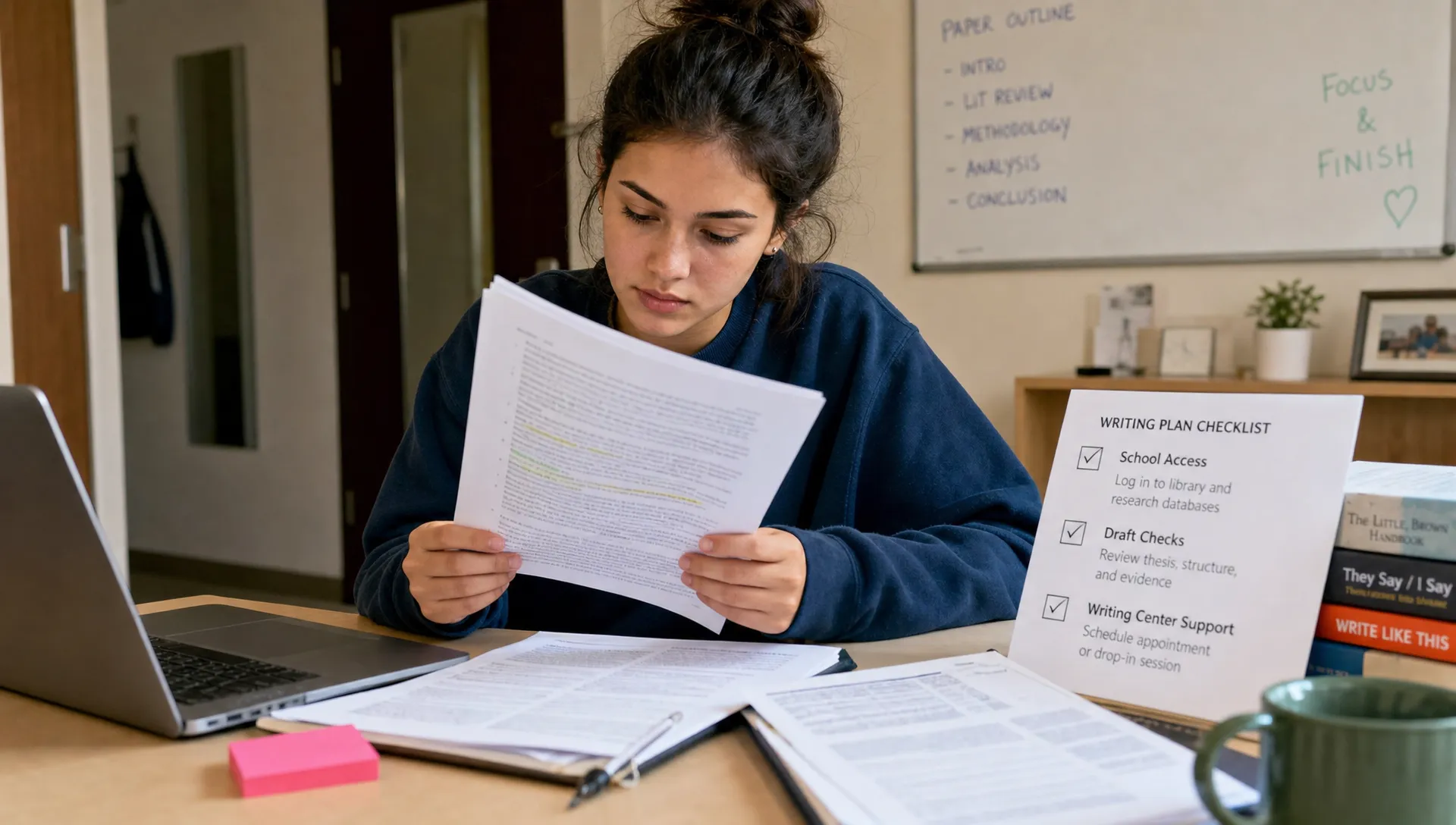
The safest route is to use whatever your institution officially provides. Many schools give students access to Turnitin through Canvas, Moodle, Blackboard, D2L or another learning management system. In that case, you submit to an assignment created by an instructor or a dedicated draft-check space created for students.
Some institutions also license tools like Turnitin Draft Coach, which is designed to support students while they write, often inside Microsoft Word online or Google Docs depending on the setup. Availability still depends on the school’s license. You cannot assume you have it just because your school uses Turnitin for final submissions.
If you are asking about Turnitin for personal use because you want to test your own paper before handing it in, the safest first step is to check your syllabus, LMS course page or academic integrity office. You can also ask whether draft submissions are stored, whether they are visible to instructors and whether multiple checks are allowed.
Detection Drama’s guide on checking your own work on Turnitin covers this student self-check question in more detail, including why there is no public free self-checker that behaves exactly like an official institutional report.
Why unofficial “personal Turnitin” accounts are risky
Search results and social platforms are full of services claiming to provide private Turnitin access, instant reports or cheap one-time checks. Some may be unauthorized resellers. Others may be phishing pages, document harvesters or generic plagiarism tools using Turnitin’s name to attract traffic.
The risk is not only wasted money. Uploading a paper to an unknown site can expose your work, personal information and academic record. If the service submits your file through an account you do not control, you may not know whether the paper is stored, reused, resold or submitted in a way that creates future similarity matches.
This is why Turnitin for personal use should not be confused with “any website that says it has Turnitin.” If a service asks you to upload an unpublished essay, thesis chapter or assignment without clear ownership terms, privacy terms and proof of authorized access, treat that as a serious red flag.
There is also a quality problem. A screenshot of a “0%” or “low AI” result does not guarantee your teacher will see the same thing. Turnitin settings vary by institution and product, and instructors may interpret reports differently.
Can you get Turnitin for free?
A real Turnitin report may be free to you if your institution pays for the license. That is different from Turnitin being free to the public. Students often experience the tool as “free” because it appears inside a course, but the school is the customer.
If your school does not offer draft checking, you can still reduce risk without chasing unofficial accounts. Review your citations, compare quoted passages against the original source, rewrite over-close paraphrases and keep a record of your research process. For AI concerns, save outlines, notes, version history and drafts so you can show how the work developed.
If you want a fuller breakdown of what is and is not available, see Detection Drama’s guide on whether there is a free Turnitin checker. The short version is that legitimate free access usually comes through a school, not a public website promising unlimited reports.
For someone seeking Turnitin for personal use, this distinction matters. The safest “free” path is institutional access. The riskiest path is a random third-party checker that uses Turnitin’s brand while giving you no clear proof of how your file is handled.
What should you use instead?
If you cannot access Turnitin, choose a tool based on your actual need rather than the brand name. For plagiarism and source overlap, a reputable plagiarism checker can help you spot matching phrases, missing quotation marks and citation gaps. It will not perfectly reproduce Turnitin, but it can still improve your draft.
For academic writing quality, use a citation manager, your school’s writing center or your instructor’s rubric. A similarity score is only one signal. A well-cited paper can have a higher score because it includes references, quotations or required terminology, while a poorly supported paper can have a low score and still be academically weak.
For AI writing concerns, use AI detection results cautiously. Detection tools can produce false positives and false negatives, especially on short passages, formulaic writing, heavily edited text or non-native English writing. A better personal workflow combines policy awareness, draft history, source notes and careful revision.
This is where Turnitin for personal use can become the wrong question. Instead of trying to replicate your instructor’s exact report, aim to make your work defensible: original argument, clear citations, transparent drafting and language that genuinely reflects your understanding.
Can individuals buy Turnitin, iThenticate or API access?
Turnitin’s education products are generally licensed to institutions. Its API access is also designed for approved organizational integrations, such as connecting Turnitin to learning management systems or internal platforms. It is not a backdoor for individual students to buy private uploads.
Turnitin also owns iThenticate, a product widely associated with research, publishing and professional originality checks. However, iThenticate is not the same as a student Turnitin classroom submission, and its reports may not match what an instructor sees in a university course. If you are a researcher, publisher or professional writer, iThenticate may be worth investigating, but it should not be treated as a guaranteed preview of a school’s Turnitin result.
For ordinary students, the realistic answer remains consistent: Turnitin for personal use depends on licensed access provided by an institution. If you need certainty, ask your school directly instead of relying on a third-party claim.
Practical checklist before you submit
Before you upload a final paper, focus on what you can control. Read the assignment policy, especially if AI tools, paraphrasing tools or grammar tools are mentioned. Make sure every borrowed idea is cited, not just every direct quote. Compare your paraphrases with the original sources to avoid copying structure too closely.
Keep your drafts and notes. If your course uses Google Docs, Microsoft Word version history or an LMS draft box, those records can help show your writing process. If your instructor allows draft checks, use them early enough to revise thoughtfully rather than minutes before the deadline.
If you still want Turnitin for personal use, ask specific questions: Is there an official draft-check assignment? Will draft submissions be stored? Can instructors see them? Does the school enable AI writing detection? A clear answer from your institution is more useful than a vague promise from an unofficial checker.
Frequently Asked Questions
Can I create my own Turnitin account as a student? Usually no. Students typically access Turnitin through a class, school account, LMS or institution-provided tool, not through a public personal sign-up page.
Is Turnitin for personal use free? It may be free to you if your school pays for access, but Turnitin is not generally offered as a free public checker for anyone to use independently.
Can I pay someone to run my paper through Turnitin? You should be very cautious. Unofficial services can mishandle your document, expose private work or produce reports that do not match your institution’s settings.
Will another plagiarism checker give the same result as Turnitin? Not exactly. Different tools use different databases, matching rules and report formats, so another checker can help with revision but cannot guarantee the same score.
What is the safest way to pre-check a paper? Use an official school-approved draft check, writing center support or instructor-approved workflow. If none exists, focus on citations, paraphrasing quality, draft records and policy compliance.
