What to do when an AI detector flags you
Author: Detection Drama Staff

-
Does UnAIMyText Bypass GPTZero? Four Answers, One Month (2026)
UnAIMyText publishes the most detailed method in this category and says GPTZero catches 3% of its output. Three independent tests say 90 to 100%.
-
Does Ryne AI Bypass GPTZero? Check Its 100,000-Text Study (2026)
Ryne AI claims a 99.8% GPTZero bypass rate and published a study titled We Ran 100,000+ Texts. We read it. The 100,000 texts are not in it.
-
Does WriteHuman Bypass GPTZero? Its Own Data Says It Varies (2026)
WriteHuman publishes the only reproducible benchmark in this market. We downloaded the raw files – its GPTZero bypass rate swings from 61% to 88% in four months.
-
Does Clarity Bubble Bypass GPTZero? Read Its Own Screenshot (2026)
Clarity Bubble built 696 landing pages targeting GPTZero and published one screenshot as proof. GPTZero is printing a stale-result warning on it.
-
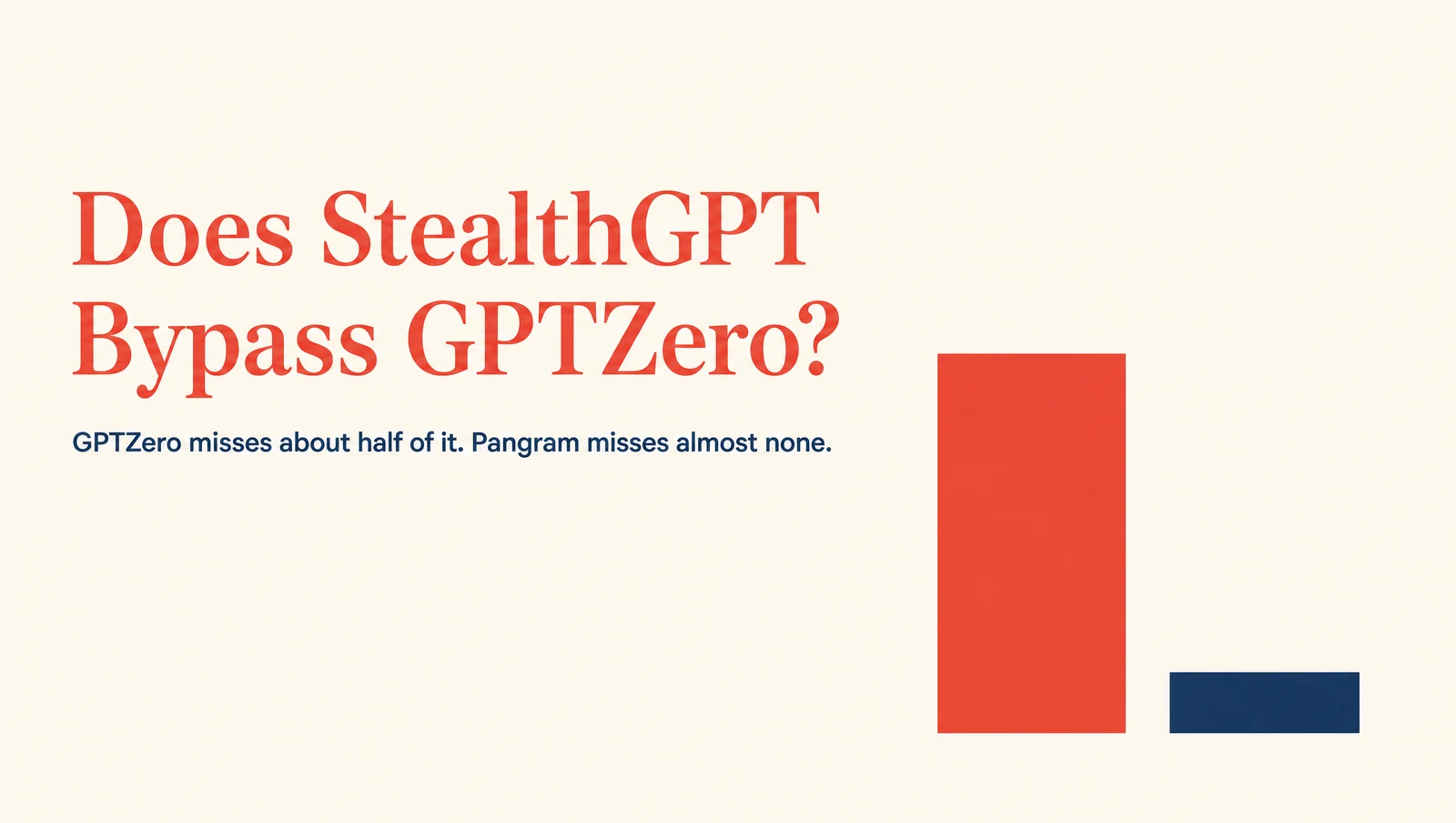
Does StealthGPT Bypass GPTZero? The Real Answer Is Half (2026)
StealthGPT advertises 0 out of 30 against GPTZero. The strongest independent study says GPTZero misses about half – and Pangram misses almost none.
-
Does GPTHuman Bypass GPTZero? It Published Real Proof (2026)
GPTHuman is the only vendor in this series to publish a genuine, verifiable GPTZero screenshot – and the only one to also publish its own product failing at 75 percent AI.
-
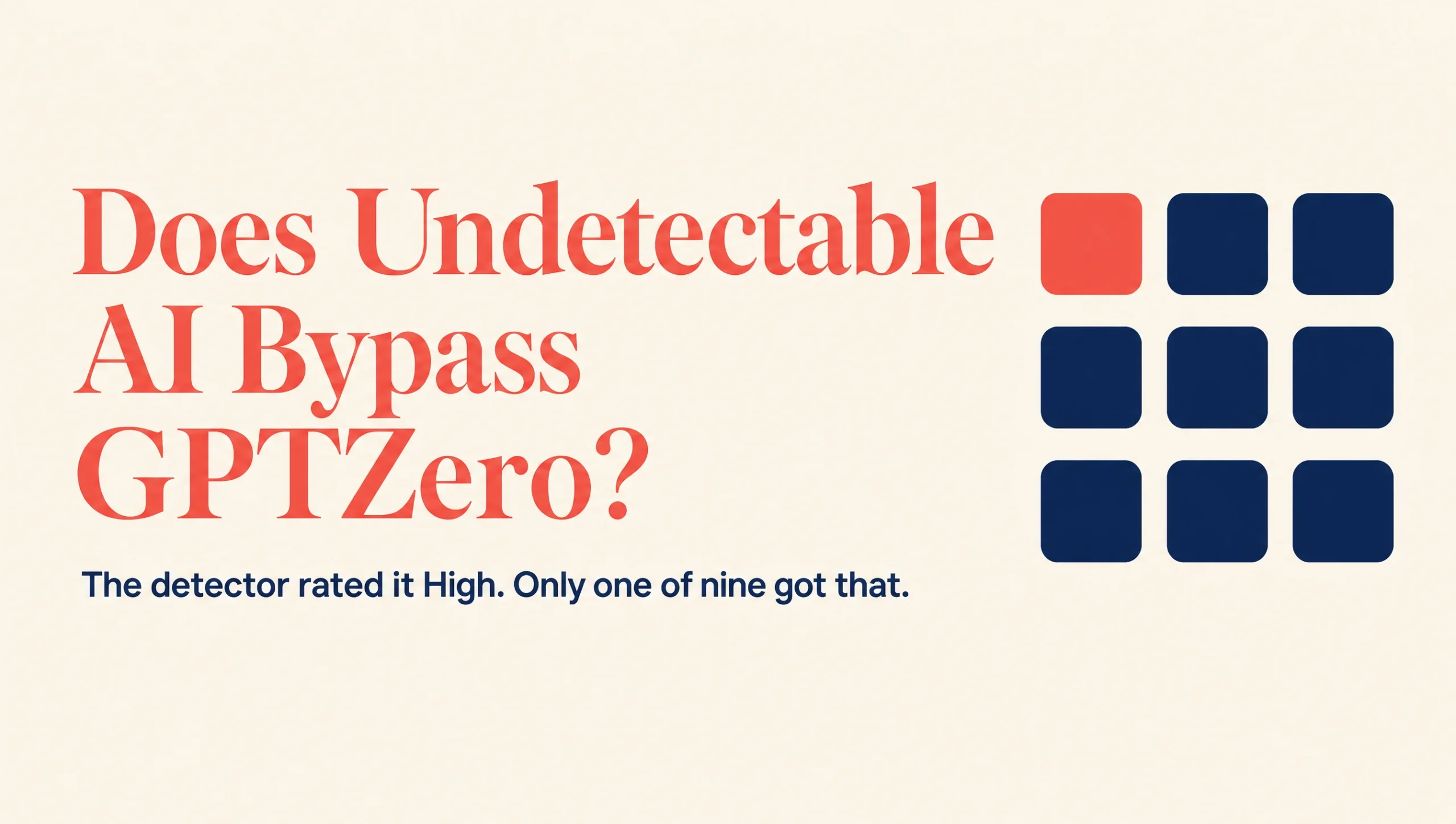
Does Undetectable AI Bypass GPTZero? Two Rivals Say Maybe (2026)
GPTZero rated Undetectable AI’s bypassing ability High – alone among nine named services – and Pangram caught it less often than any of 20 tools. Both are competitors.
-
Does SuperHumanizer Bypass GPTZero? It Trained On It (2026)
SuperHumanizer named GPTZero as a tool it was built and tested against – then published 11 samples, no screenshot, and a lower number than its homepage advertises.
-
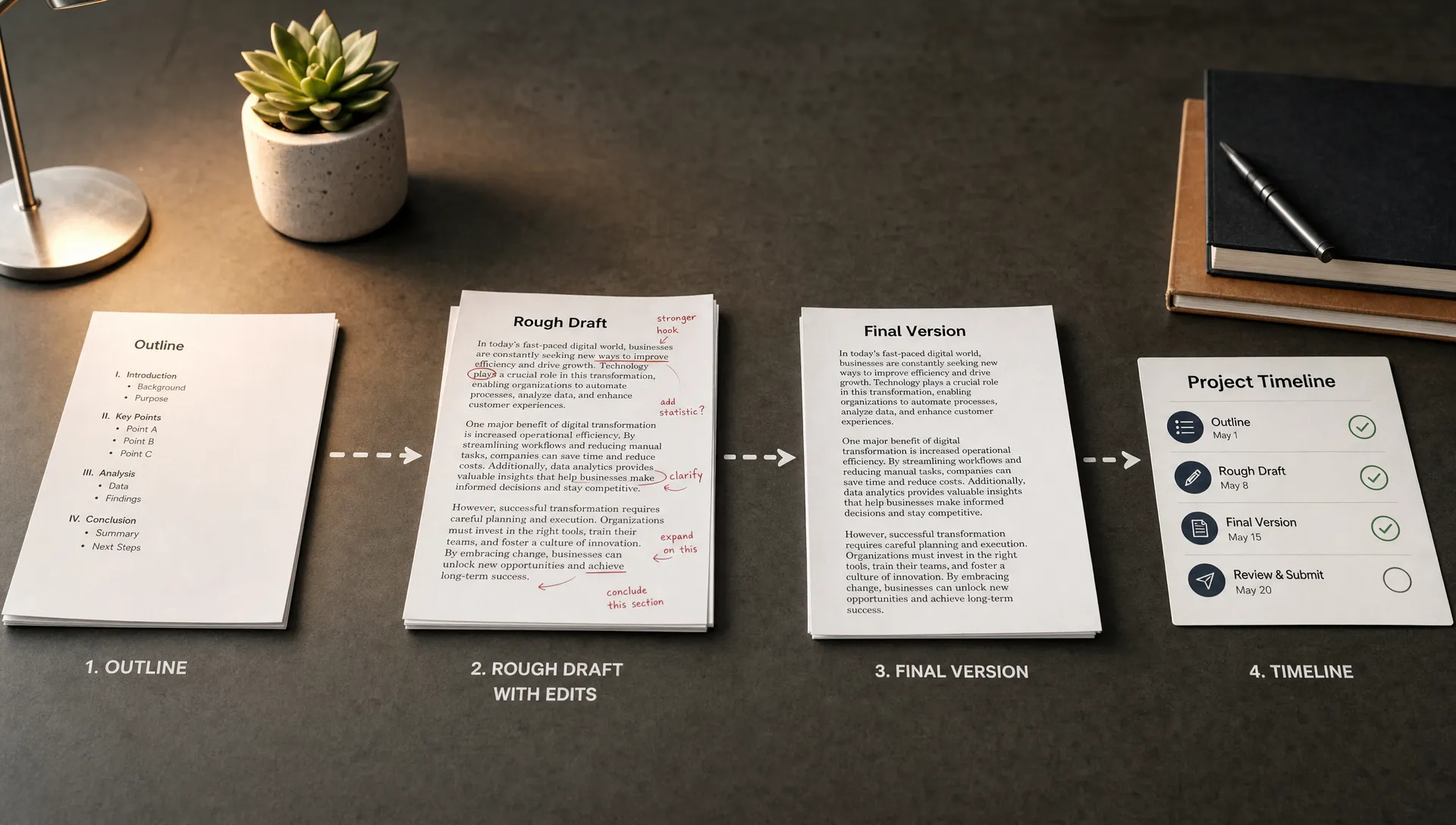
How to Use Track Changes as Evidence of Your Writing Process
If a teacher, editor or review board questions whether you wrote a document yourself, Track Changes can give you something much stronger than a denial. It can show how the draft moved from outline to
-
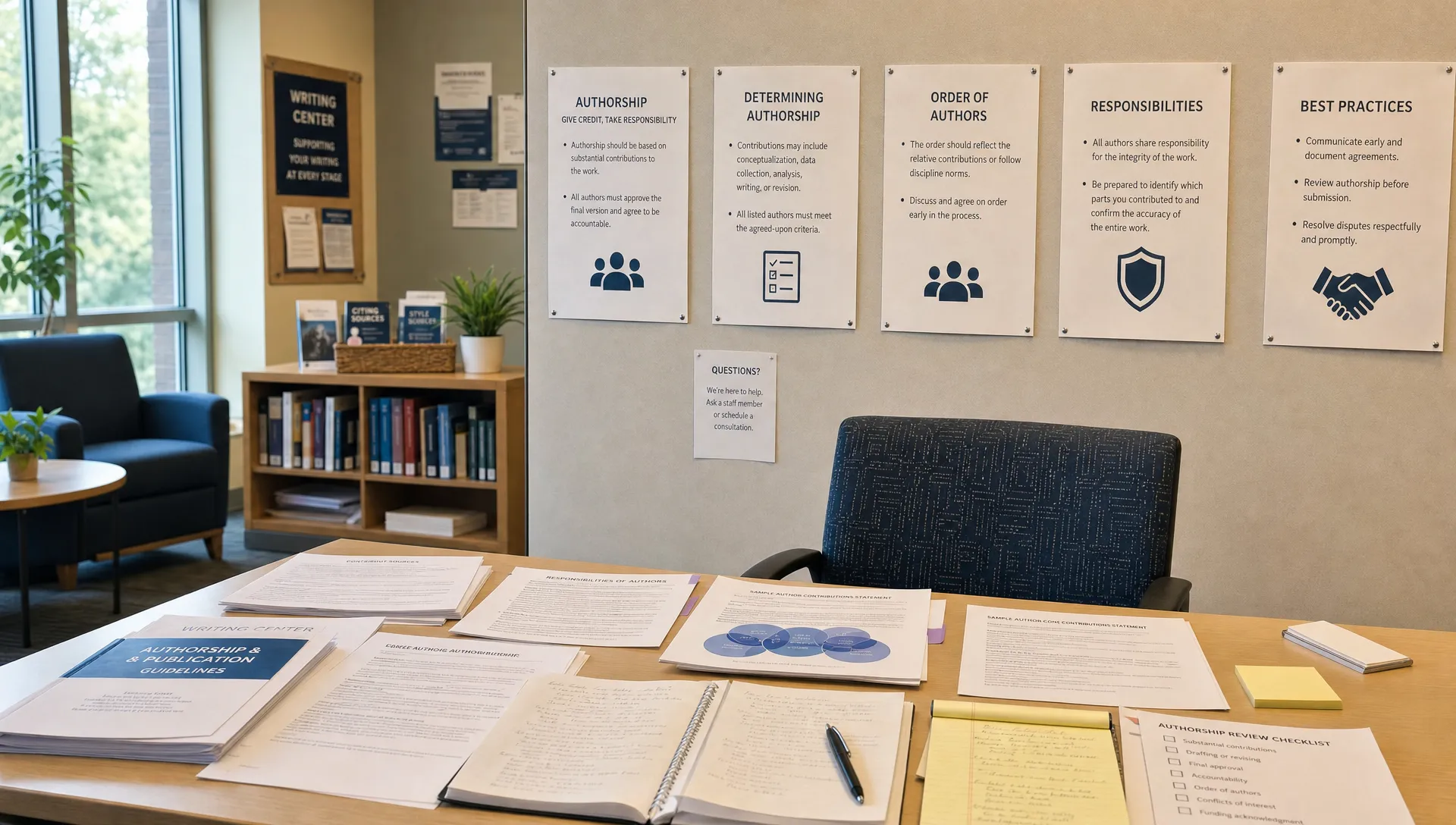
AI Writing Policy Checklist: What to Check Before You Submit
Using AI writing tools before a deadline can be legitimate, risky or completely prohibited depending on the rule that governs the assignment. The problem is that many writers only think about AI detec