What to do when an AI detector flags you
Category: Turnitin Guides
Guides to how Turnitin works: similarity scores, colours, reports and AI detection.
-
Can Teachers Use ChatGPT or Gemini to Check for AI? Why the Answer Is Made Up (2026)
Asking ChatGPT or Gemini “did AI write this?” gets a made-up answer, and pasting a named student’s essay into a consumer chatbot can break FERPA. What the research shows, and what to use instead.
-
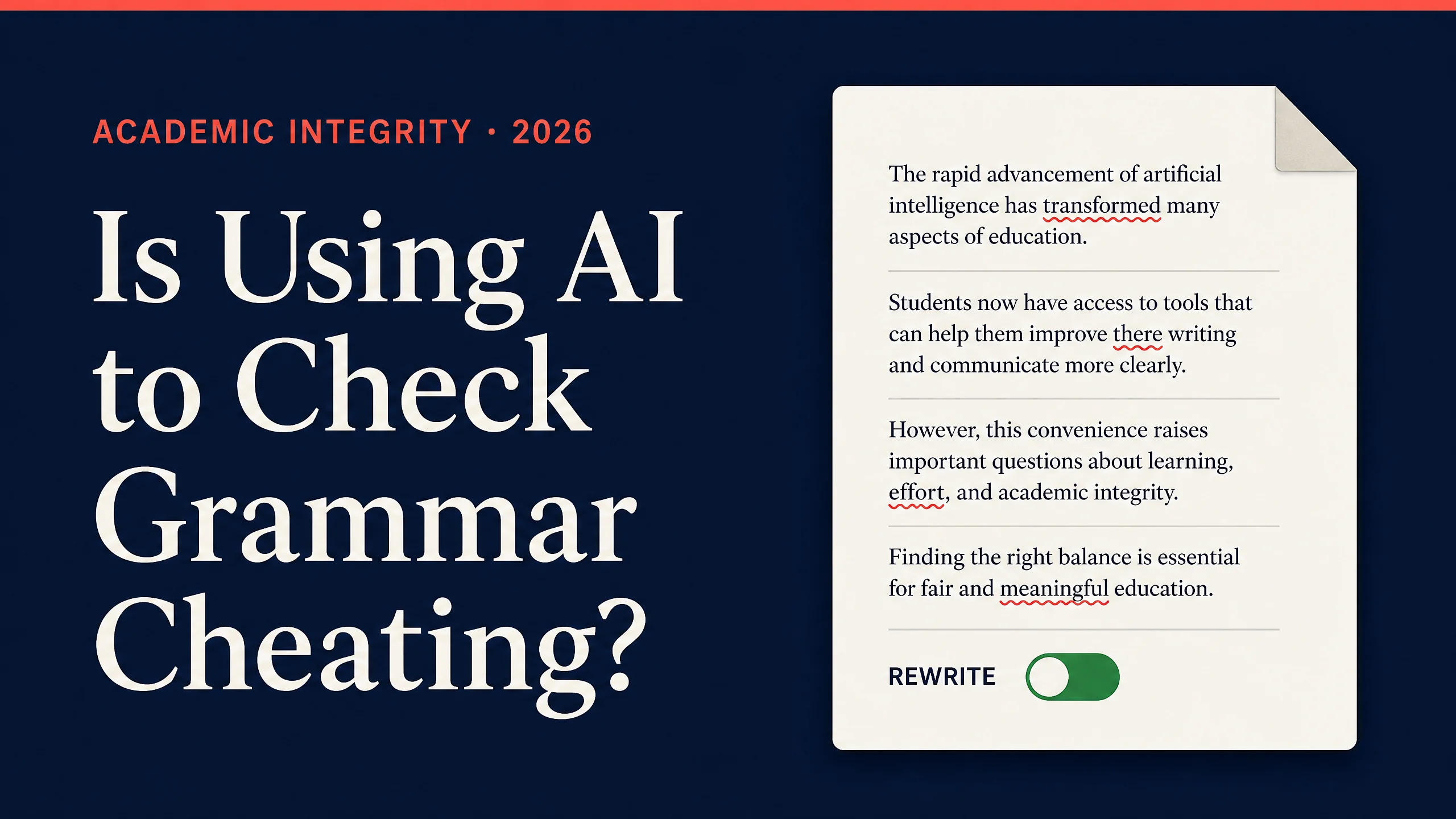
Is Using AI to Check Grammar Cheating? Where Schools Draw the Line in 2026
Spell check and comma fixes are usually fine. Rewrites, tone changes and ChatGPT “fixed” versions are where policies and AI detectors both draw the line. Here is what Turnitin, Grammarly and four universities say.
-
Can AI Detectors Detect AI-Generated Code? What Turnitin, GPTZero and Code Checkers Actually Do
Essay detectors score close to a coin flip on code, Turnitin says it does not reliably read code, and code-specific checkers do best on longer files. What the studies show and what to do if your code is flagged.
-
Which AI Detector Is Closest to Turnitin? What the 2026 Data Shows
The closest published match to Turnitin is 69.7%. What the two 2026 studies show, why other detectors miss Turnitin flags, and what to use before you submit.
-
Is Grammarly’s AI Detector Accurate? What the Score Can and Cannot Tell You
Grammarly AI detector scores are a rough self-check, not proof. What the 99% RAID claim covers, why scores jump overnight, and what your school sees instead.
-
Do Literary Agents and Publishers Run Manuscripts Through AI Detectors? What Authors Should Know in 2026
Some publishers and agents now run Pangram on manuscripts, but most public AI cases began with someone else’s scan after release. Here is who checks, when, and what authors can do.
-
Can Google’s SynthID Detector Catch ChatGPT Essays? No, and Here’s What Actually Can (2026)
Google’s SynthID Detector only checks images, video and audio. ChatGPT text uses OpenAI’s own textGrain watermark, and only approved researchers can check it.
-
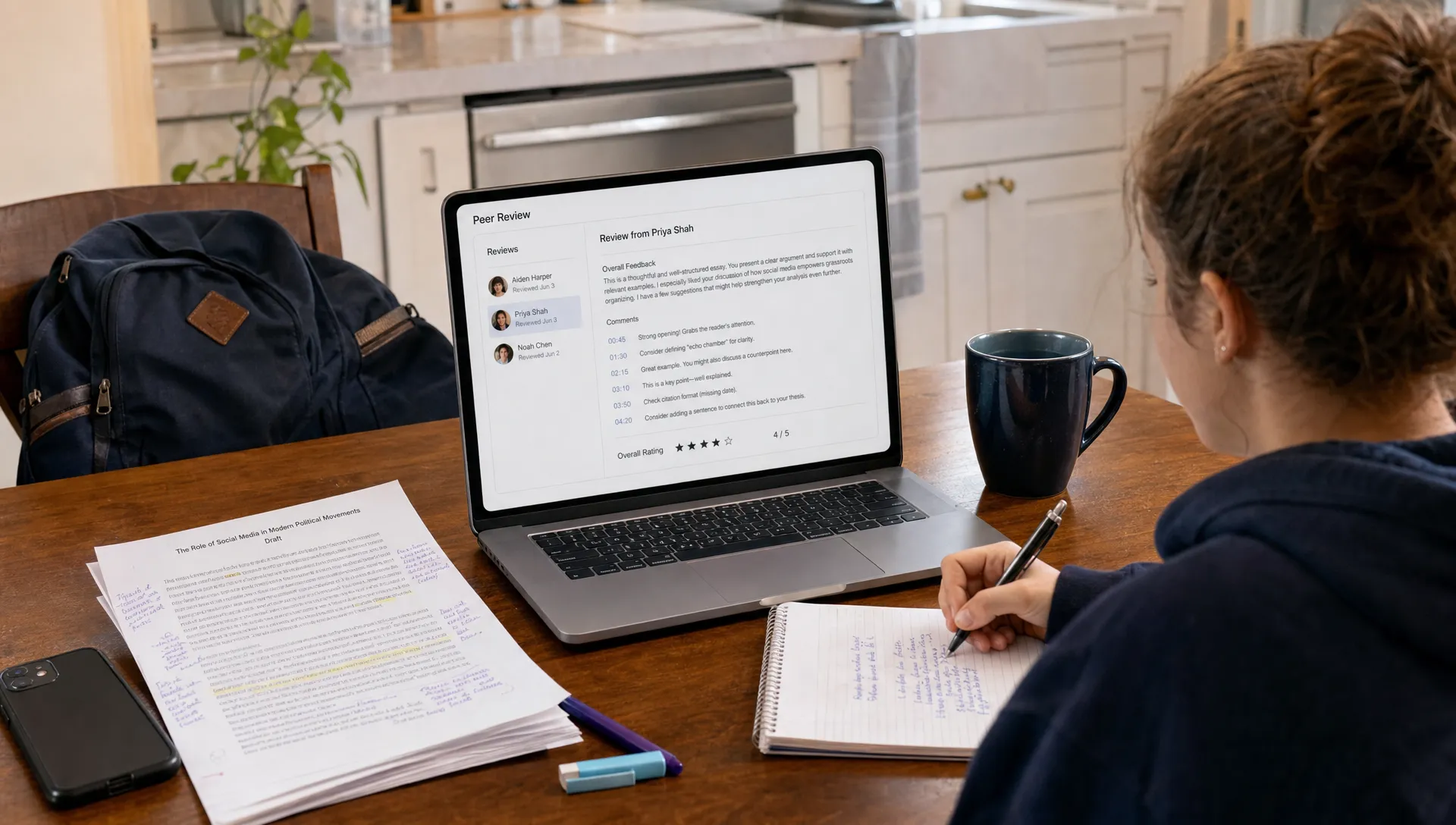
How Turnitin PeerMark Makes Peer Reviews Easier
Turnitin PeerMark is Turnitin’s peer review workflow for classes that already submit work through Turnitin. Instead of collecting drafts, assigning partners, chasing comments and matching feedback to
-
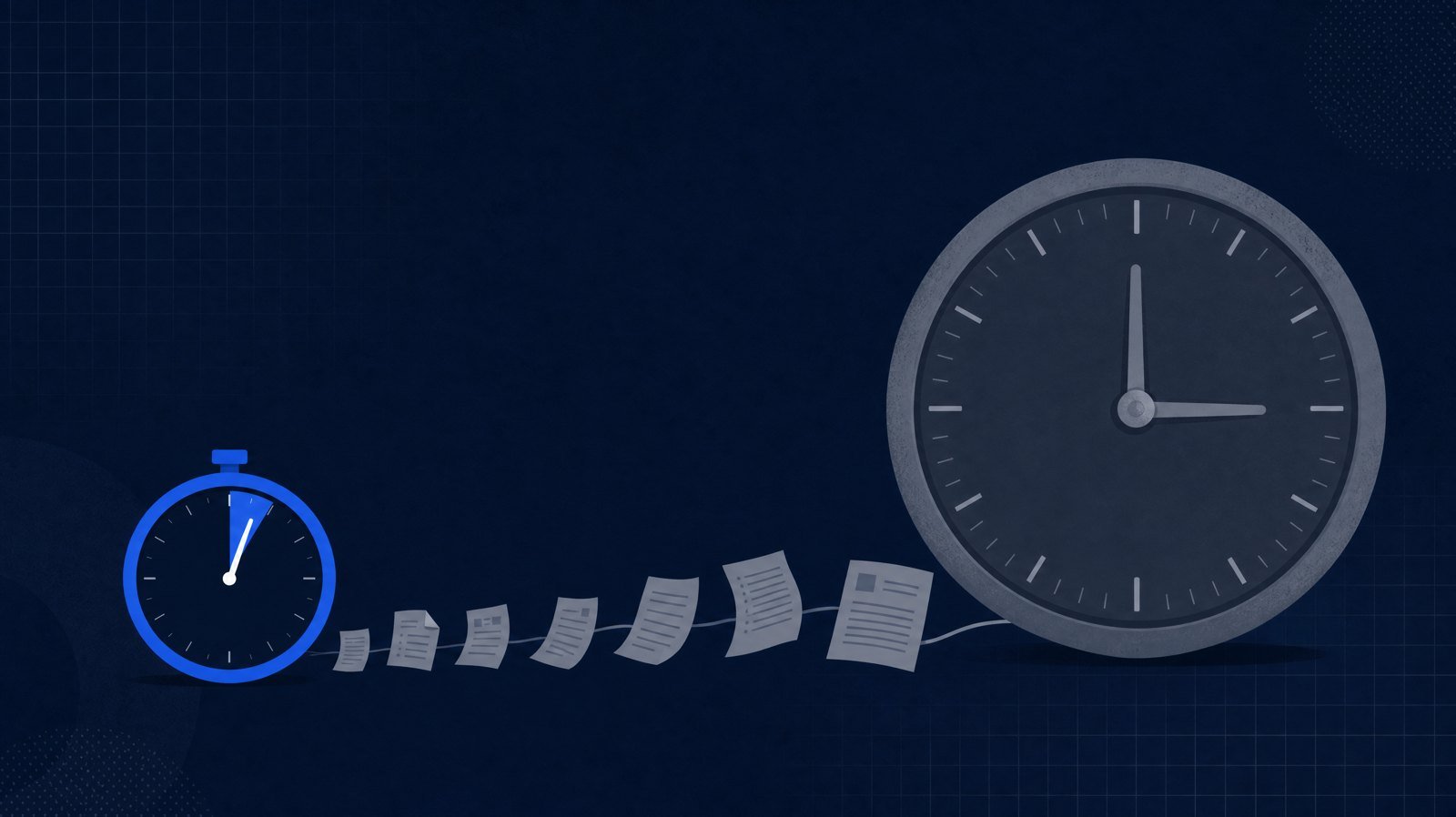
Academic Misconduct Case Timelines: Whose Deadlines Are Actually Written Down (2026)
We audited nineteen published university misconduct procedures. Every one sets a deadline the student must meet, some as short as two days. Six set none at all for the institution to reach a decision.
-
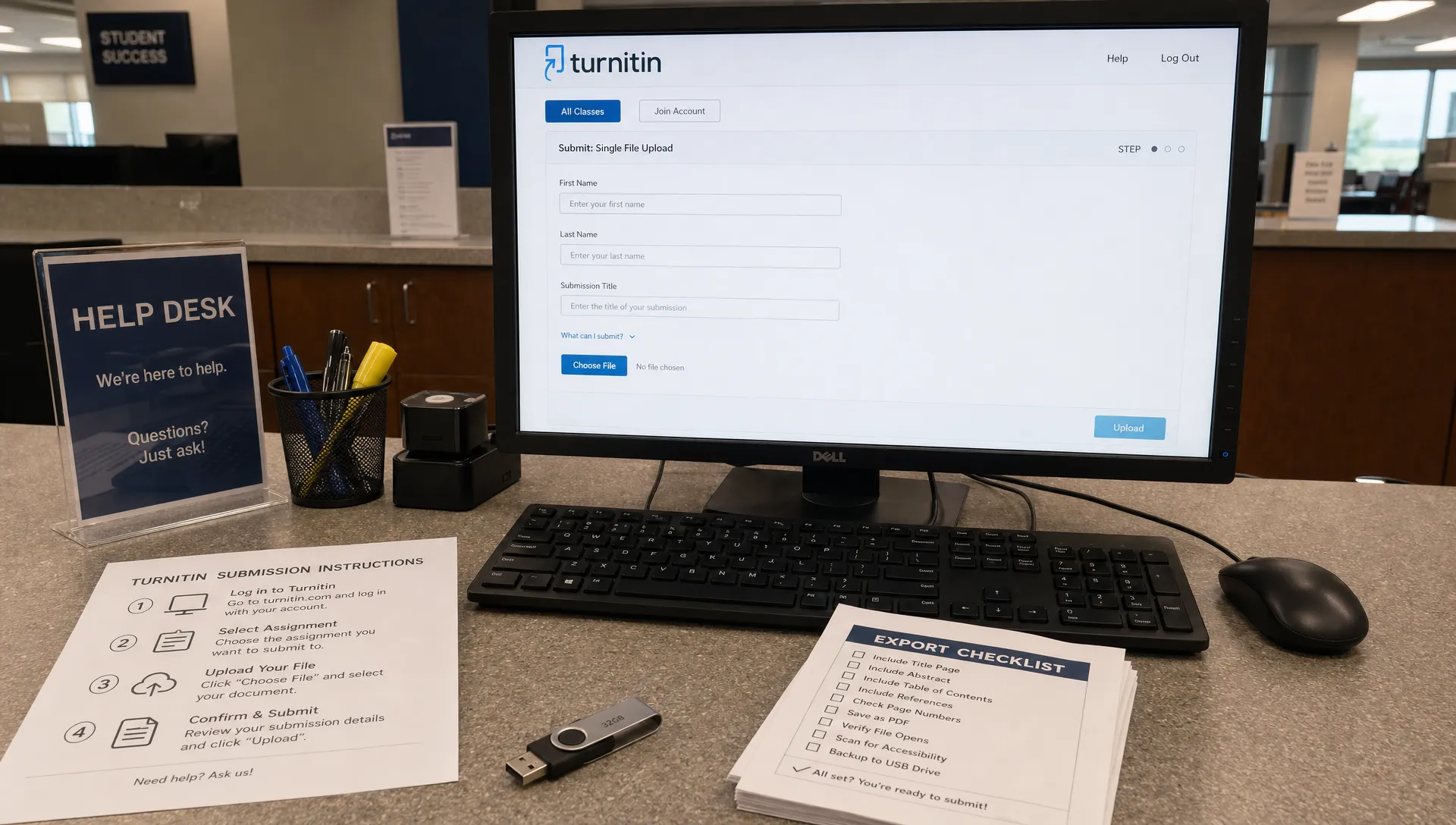
Can Turnitin Google Drive Files Be Submitted Directly?
If you searched for “turnitin google drive,” the short answer is yes, Google Drive files can sometimes be submitted directly to Turnitin, but only through an approved upload route inside Turnitin, an