What to do when an AI detector flags you
Author: Detection Drama Staff

-
Does StealthGPT Bypass Turnitin? The Biggest Swing in the Only Real Test (2026)
The only independent test scored StealthGPT-humanized text 0% then 72% likely-AI on Turnitin. Its 30-test case study is from July 2024, 14 months before that detector shipped.
-
Does GPTHuman Bypass Turnitin? The One Real Test, Examined (2026)
GPTHuman names Turnitin twice and publishes no bypass figure. The one independent test scored its output 31% likely-AI on Turnitin after the Aug 2025 bypasser update.
-
AI Detector for Professors: What Actually Works Without Turnitin (2026)
Most professors who tested AI detectors stopped trusting them. What the published false positive data actually shows, which detector academics name, and what universities use instead.
-
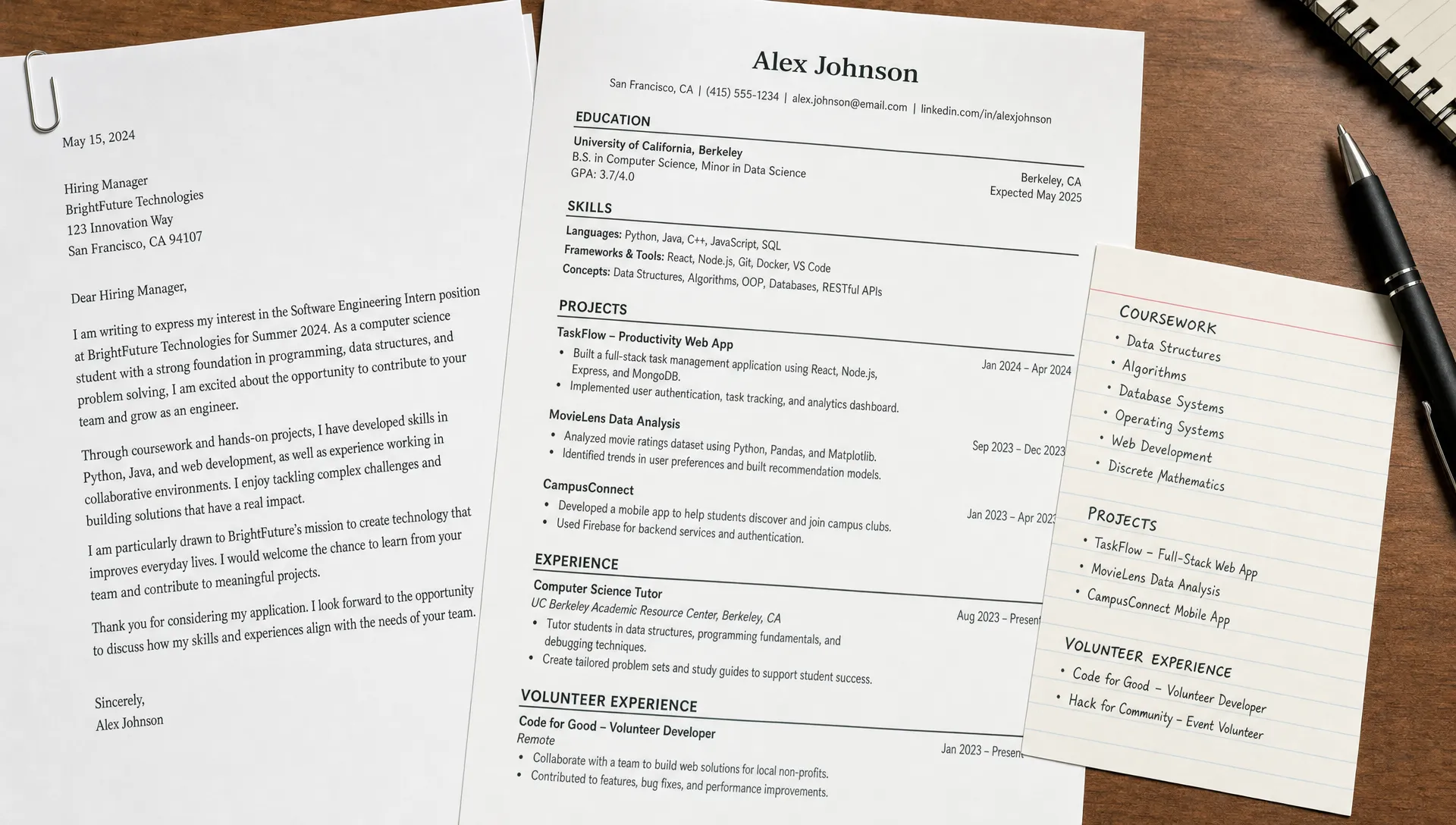
How to Humanize AI Writing for Internship Applications
AI can help you get unstuck when an internship application feels too important to start from a blank page. The problem is that AIgenerated content often sounds like it was written for every student at
-
Does SuperHumanizer Bypass Turnitin? Nobody Has Actually Tested It (2026)
SuperHumanizer names Turnitin and advertises a 97% bypass rate with no published source. No independent test of it against real Turnitin exists – and the four reviews claiming one did not run the real product.
-
Does Undetectable AI Bypass Turnitin? What the Evidence Actually Shows (2026)
No conflict-free public test of Undetectable AI against Turnitin exists. Turnitin shipped AI bypasser detection on 27 August 2025 and published zero accuracy metrics for it. Here is every dated, sourced claim.
-
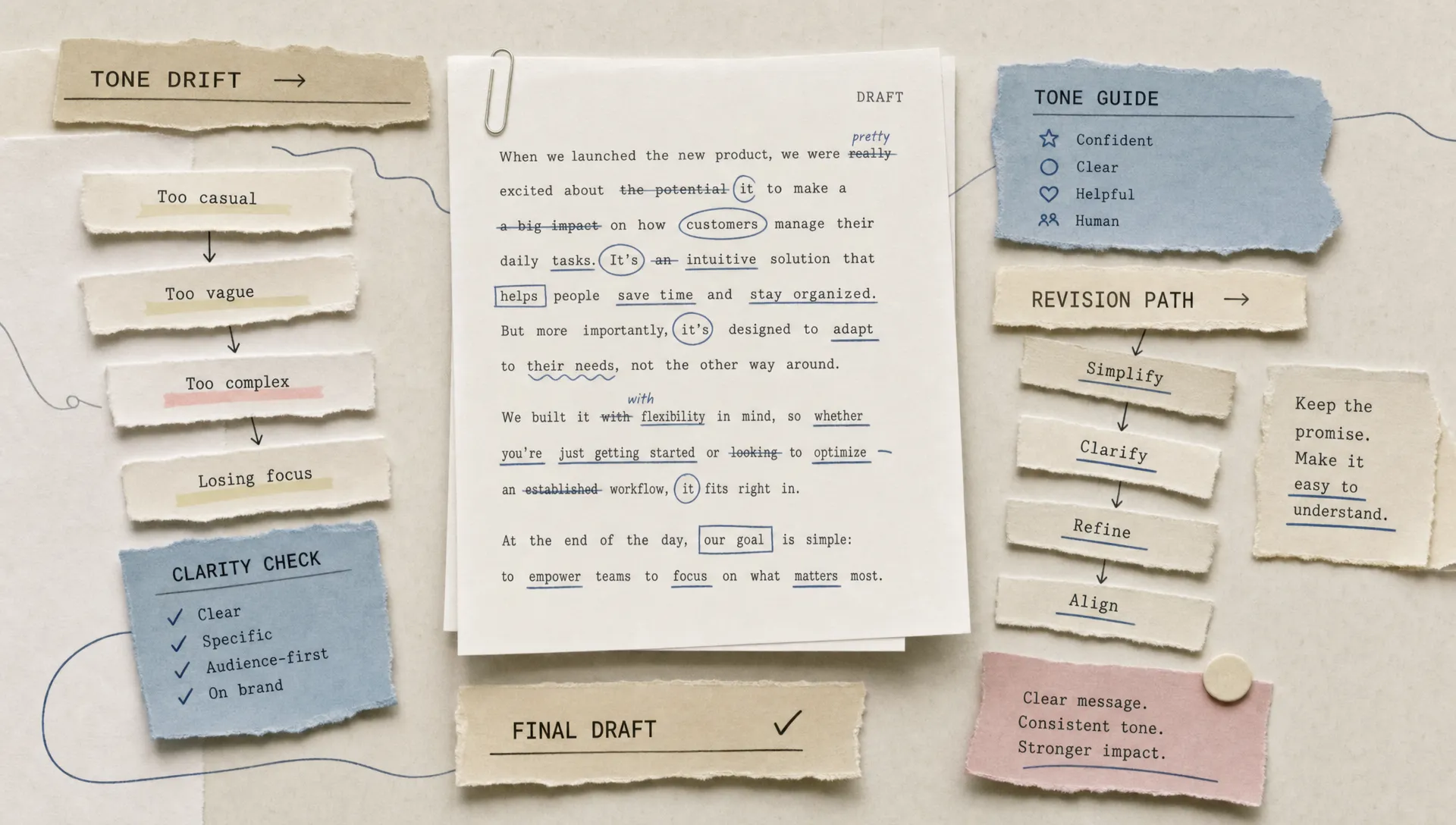
Can an AI Humanizer Change the Tone Too Much?
Yes. An AI humanizer can change the tone too much, even when the rewritten text is grammatically clean and easier to read. The risk is not only that the wording becomes different. The bigger issue is
-
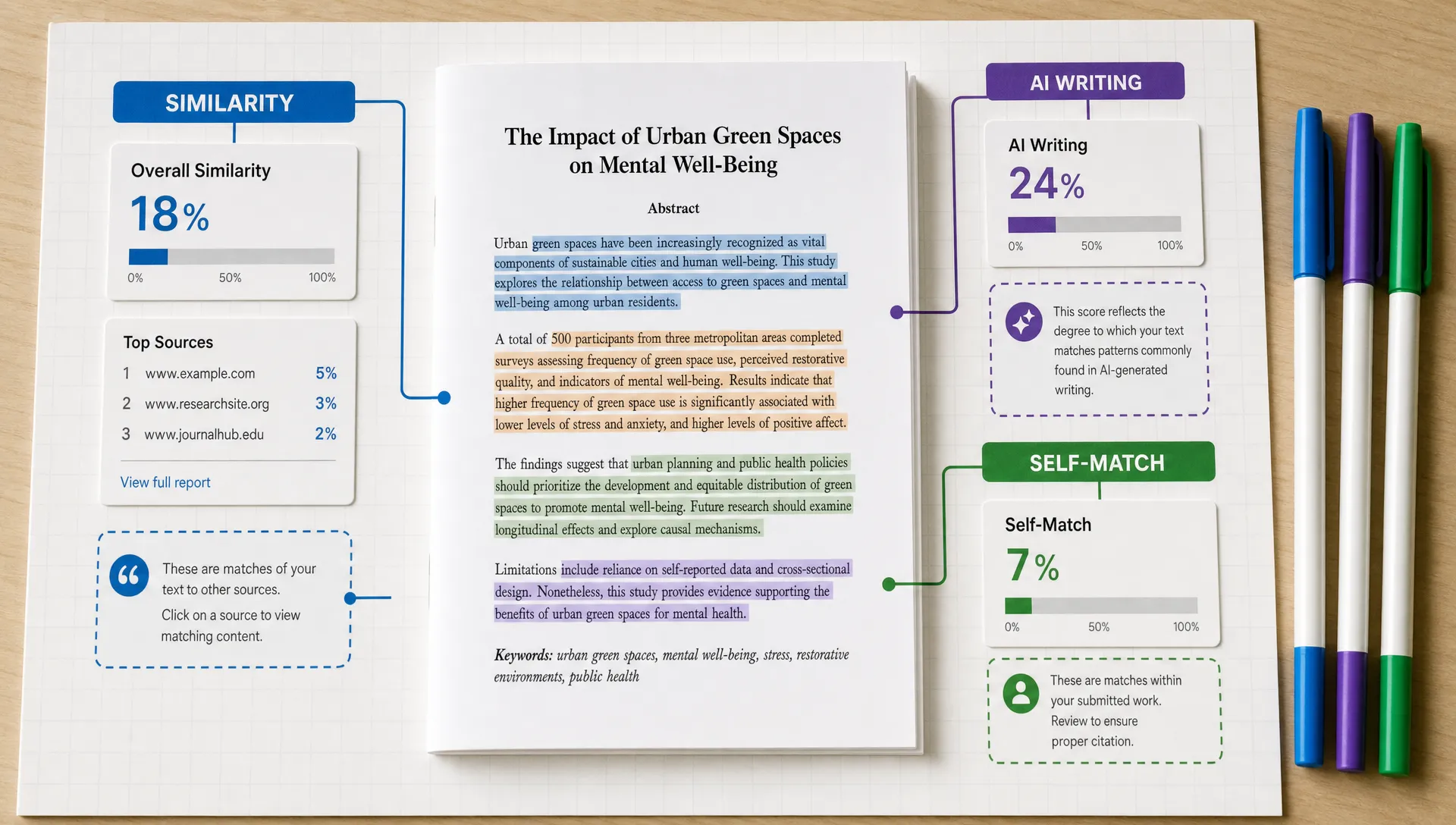
Turnitin Flagged My Abstract: What Should I Check?
A Turnitin flag on an abstract feels especially unfair because the abstract is often the most polished, compressed, and formulaic part of a paper. It has to summarize the research question, method, fi
-
Does Translating Your Essay Get It Flagged as AI? What Turnitin Actually Checks (2026)
Translated writing does get flagged as AI, but not by Turnitin’s Translated Matching. What the two systems actually do, and what the 2026 data shows.
-
What Actually Survives Humanization? Every Published Number on Which AI Writing Markers Editing Removes (2026)
2026 data on which AI writing markers survive editing: structural detection lost just 1.6 points after full artifact removal, while style-based detection can collapse from 97% to 3%.