What to do when an AI detector flags you
Author: Detection Drama Staff

-
Does StealthGPT Bypass Pangram? What the Published Data Actually Shows
Pangram’s own benchmark catches 95.6% of StealthGPT output, and an independent University of Chicago study names StealthGPT as a humanizer Pangram withstands. An evidence review of the published data.
-
Pangram Review 2026: The Near-Zero False Positive Claim Is Real — the False Negatives Are the Story
Pangram is the most accurate AI detector on the market — independently audited at near-zero false positives. That is exactly why its all-clear is the least trustworthy signal it gives. An impartial review.
-
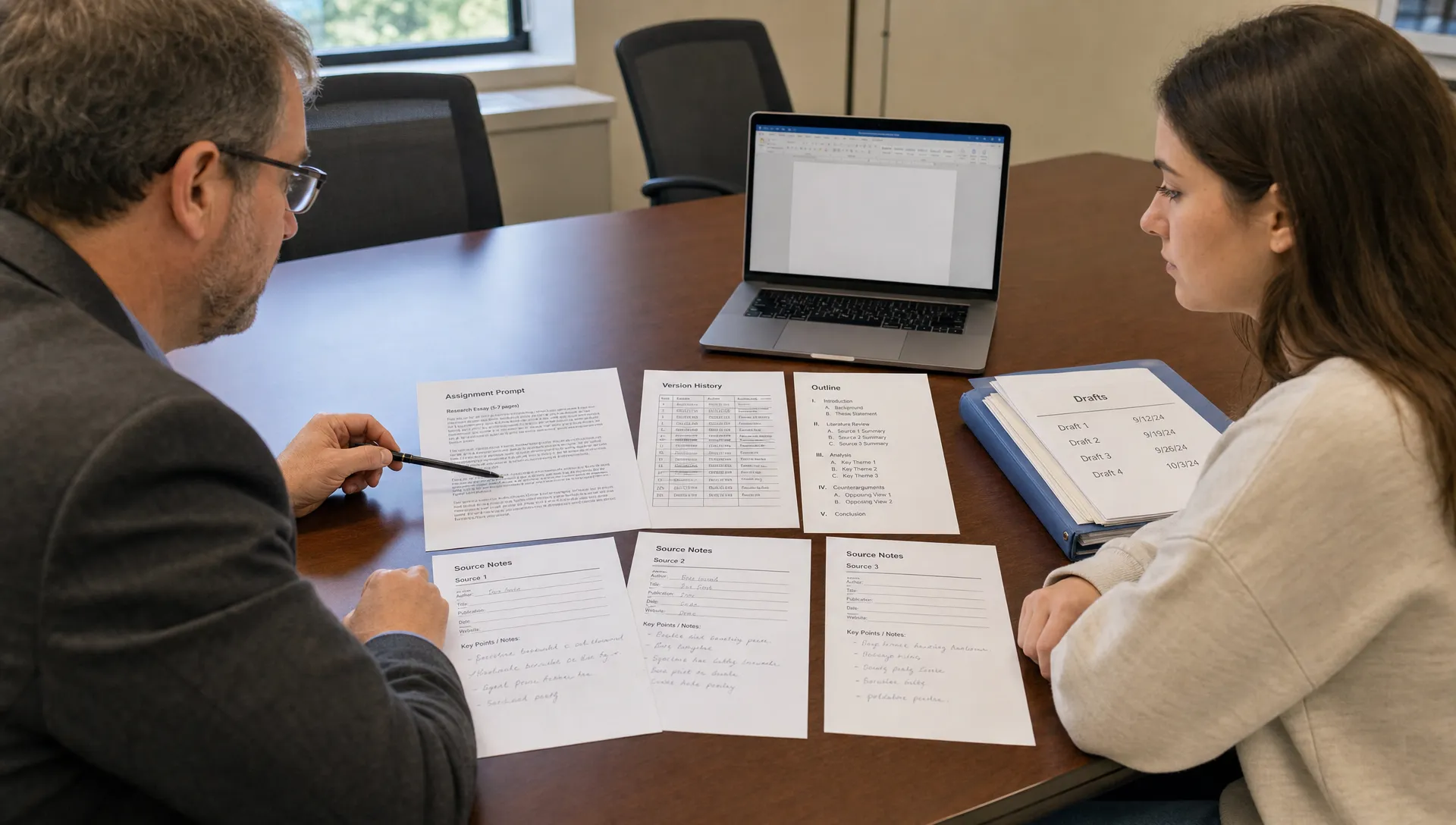
AI Detector Disagrees With Your Professor: Now What?
An AI detector result can feel final until it collides with a professor’s judgment. Maybe your professor says the paper reads like AI even though your checker says human. Maybe an LMS report flags a p
-
Does Undetectable AI Bypass Pangram in 2026? What the Tests Actually Show
Does Undetectable AI bypass Pangram? In independent testing, no — Undetectable AI output was flagged 100% AI-generated by Pangram Labs and scored 72% AI-probability on Quetext, while a competing tool, GPTHuman, passed the same Pangram test at 100% human-written. Vlad Ivanov — Creator of Words At Scale (26K+ YouTube subscribers). I test AI detectors and
-
A Humanizer Made It Into Nature News This Week — And That’s Exactly Why It Won’t Work Much Longer
An academic AI humanizer just landed in Nature’s news pages this month — and that’s not a win for the tool. It’s the moment its shelf life started counting down. Vlad Ivanov — Creator of Words At Scale (26K+ YouTube subscribers). I track AI detectors and humanizers hands-on every week for DetectionDrama, and I don’t
-
ZeroGPT Review 2026: I Tested the Free AI Detector Everyone Uses (and Confuses With GPTZero)
ZeroGPT claims 98% accuracy. Independent 2026 tests put it at 67-85% with a 20.5% false-positive rate on human text. Full hands-on review with benchmark data, pricing, and who should actually use it.
-
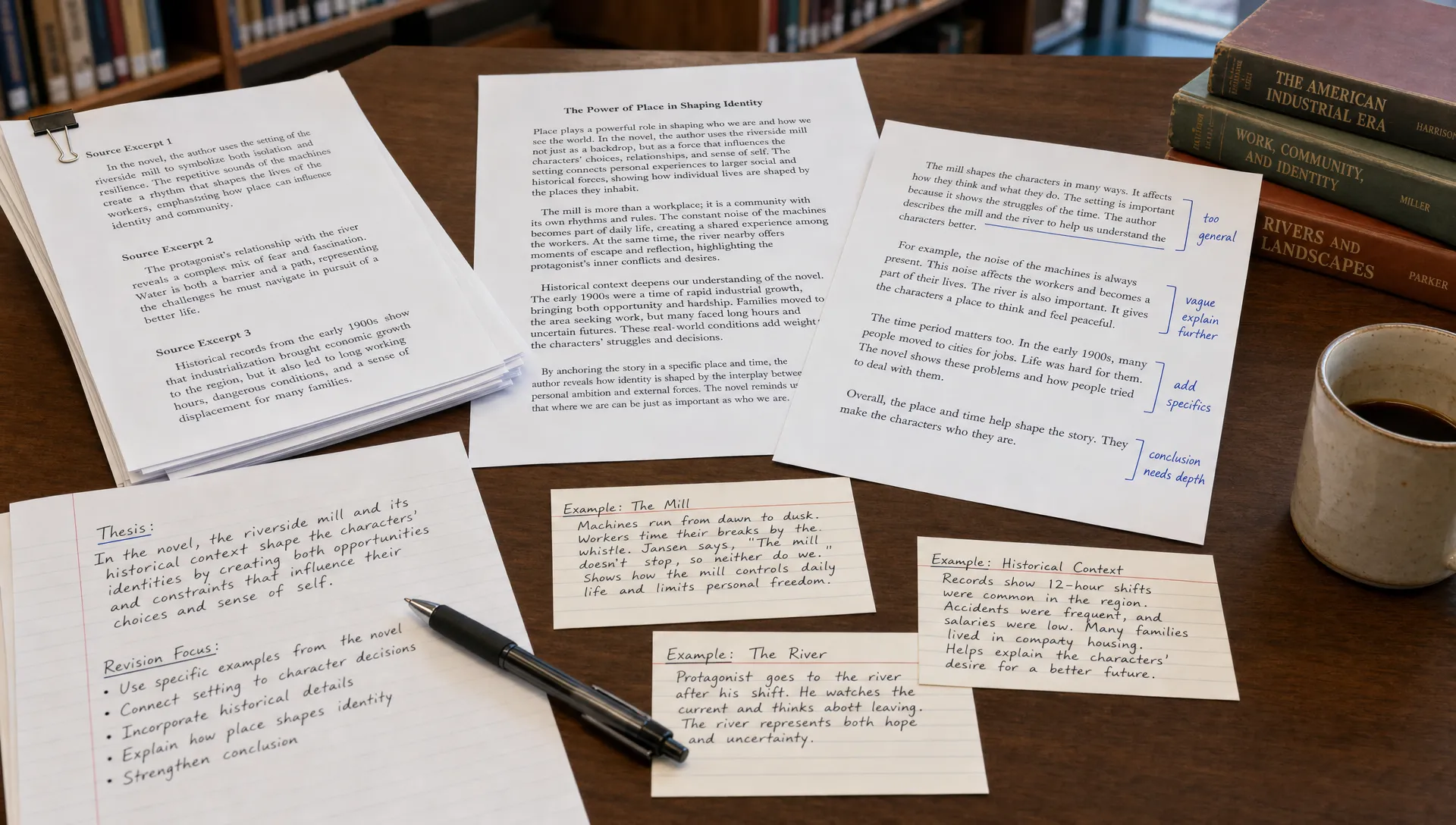
What Makes an Essay Sound Too Polished to Turnitin?
A polished essay is not automatically suspicious. In fact, clear structure, accurate grammar, and careful proofreading are exactly what instructors usually want. The problem starts when an essay becom
-
Turnitin AI Detection Statistics: Every Published Number (2026)
Every statistic Turnitin has published about its AI detector, plus what independent audits found.
-
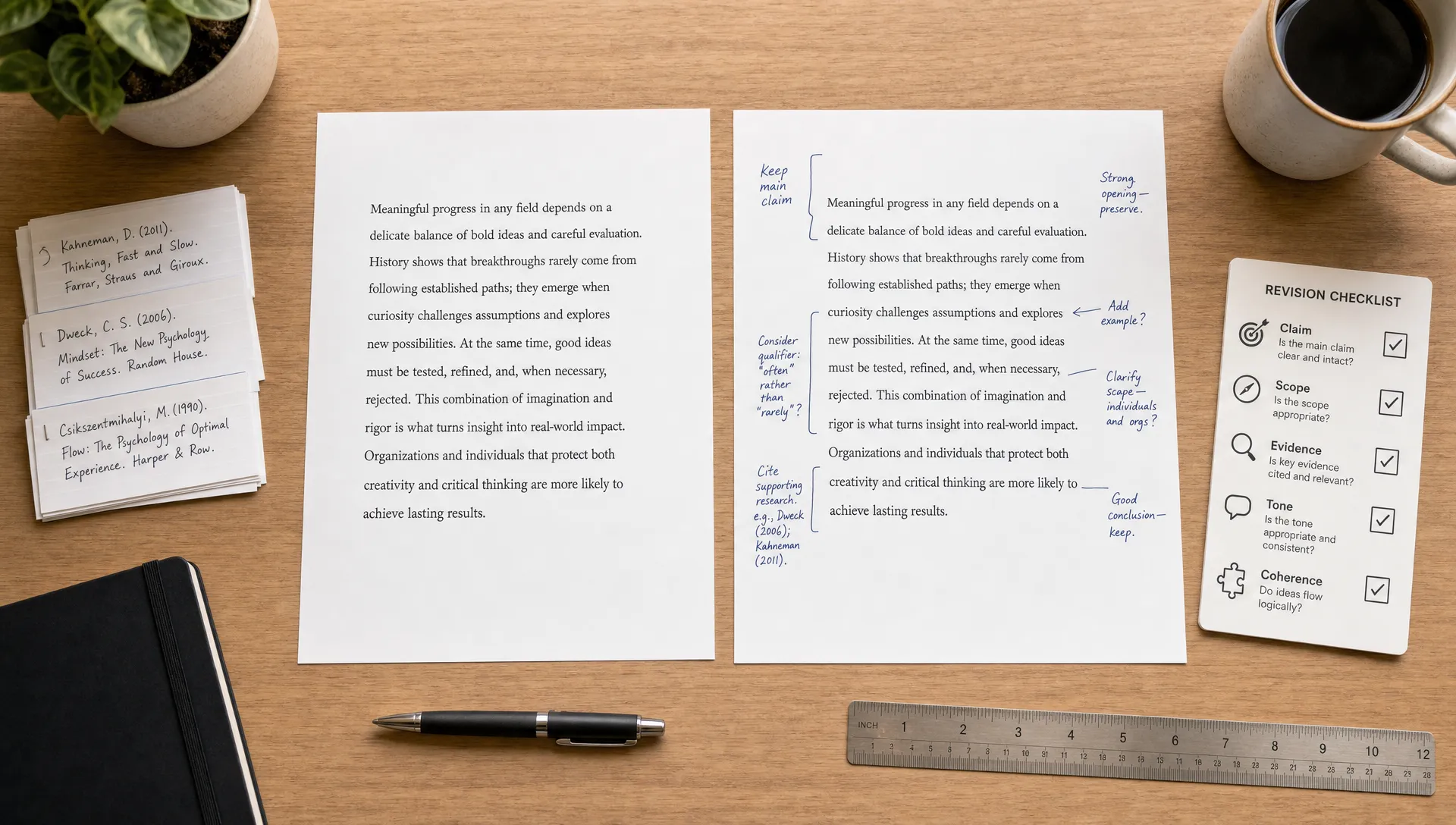
How to Use an AI Humanizer Without Changing Meaning
An AI humanizer is useful only if the final text still says what you meant. If the tool makes your writing sound more natural but quietly changes your claim, weakens your argument, invents details, or
-
Does Turnitin Have an API? What It Does and Who It Is For
Whether Turnitin has an API (institution-only), what it does, and the 2026 LTI 1.1 deprecation dates.